Imagine a scenario where a mid-sized technology firm is facing a 40% surge in recruitment needs while simultaneously navigating a global shift in employee expectations regarding career growth. The HR team is caught in a "Complexity Trap," stuck between the manual burden of processing thousands of resumes and the high-stakes need to provide personalized, empathetic support to current staff.
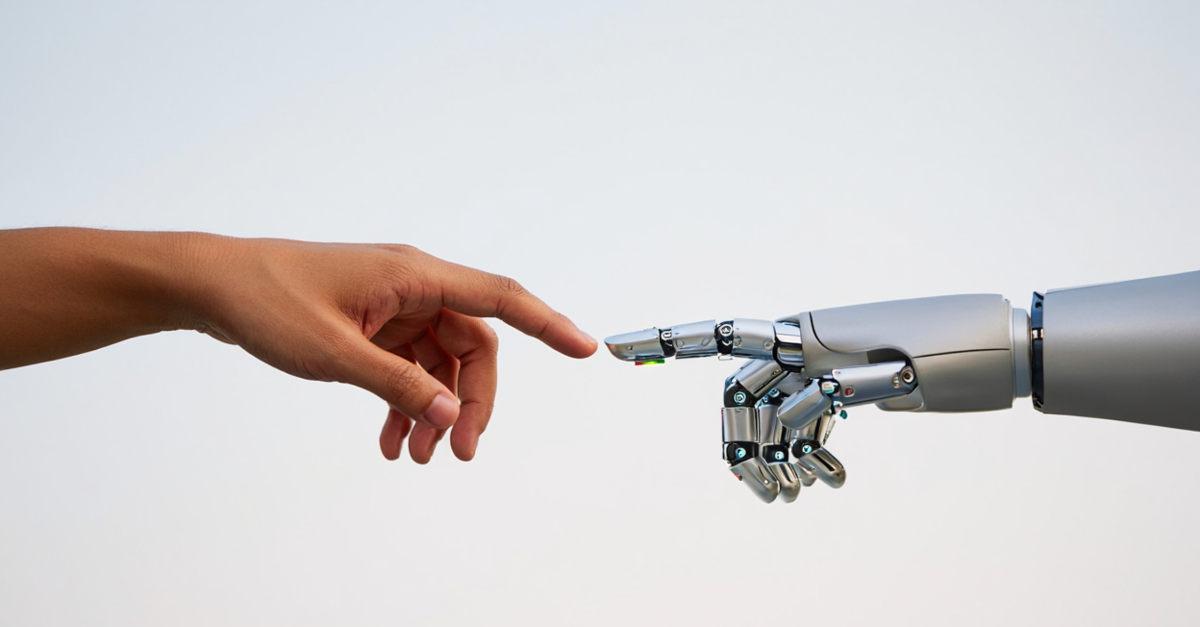
This isn't an isolated case. In 2026, the conversation has moved from "will AI replace HR?" to "how can HR and AI collaborate as partners?" According to recent industry data, approximately 44% of organizations now use AI to manage recruitment, and AI-driven workforce optimization has increased operational efficiency by 30% [Source: Yomly, 2026].
For the modern HR professional, the "Great Reinvention" is here. It is no longer enough to have a digital filing cabinet; you need a top 5 HRMS that acts as a strategic engine. This article explores three transformative ways HR can leverage AI to move beyond administration and into the realm of high-impact people strategy.
Transforming Talent Acquisition from Reactive to Predictive
Imagine a scenario where a recruitment manager opens their HR mobile app on a Monday morning. Instead of a list of 500 unread emails, they see a curated shortlist of five candidates for a critical data science role. The AI hasn't just scanned for keywords; it has analyzed "semantic matches" understanding that a candidate with "executive oversight" experience is a fit for a "strategic leader" requirement, even if the exact words aren't there.
The Power of the Best Applicant Tracking System (ATS)
The best applicant tracking system in 2026 does more than store resumes; it acts as a "Talent Intelligence" hub.
-
Job Fit Scoring - AI tools now compare resumes against specific job requirements to generate a "Job Fit Score" (0-100). This allows recruiters to focus their energy on the most qualified candidates early in the cycle.
-
Talent Rediscovery - When a new role opens, the best HR software automatically scans the existing database of past applicants. It might be found that a candidate who was a "silver medalist" for a role last year is the perfect fit for a new opening today.
-
Bias Mitigation - By using anonymized screening modes, where AI removes names, genders, and locations, organizations can focus purely on skills, reducing unconscious bias and promoting more diverse hiring outcomes [Source: OrangeHRM, 2026].
The Tradeoff: Speed vs. Human Connection
While AI can reduce time-to-hire from 44 days to just 11 days, the tradeoff is the risk of a "Black Box" experience where candidates feel rejected by an algorithm.
-
The Solution - The most successful top 5 HR software strategies maintain a "Human in the Loop." AI provides the shortlist and the reasoning, but a human always performs the final interview and makes the hiring decision.
Revolutionizing Performance through Continuous Enablement
Imagine a scenario where a department head is preparing for performance reviews. Instead of staring at a blank screen, their performance management software provides a summary of peer feedback, project milestones hit, and even a "burnout risk" indicator based on recent sentiment analysis of employee voice forms.
Moving Beyond the Annual Review
Annual performance reviews are becoming relics. In 2026, AI in HRMS facilitates a culture of continuous listening and real-time coaching.
-
AI-Generated Goals - Systems like OrangeHRM now suggest "SMART" goals based on an employee’s job title, department, and past performance. This removes the "blank page" syndrome for managers and ensures alignment with organizational strategy [Source: OrangeHRM, 2025].
-
Sentiment and Summary - AI can read months of evaluator comments and peer feedback to generate an objective, unbiased summary for final review. This saves hours of manual effort and ensures that the "recency bias", where managers only remember the last two weeks, is eliminated.
The Impact on Productivity
Organizations that combine AI insights with human judgment in performance management see up to a 30% increase in talent retention [Source: Deloitte, 2026]. By offloading the synthesis of data to AI, HR business partners can spend their time on what humans do best: mentoring, resolving conflict, and building culture.
Elevating the Employee Experience via Conversational AI
Imagine a scenario where a remote employee in a different time zone needs to know the specific details of the company's new parental leave policy at 2:00 AM. In the past, they would have to wait 24 hours for an HR representative to email them back. In 2026, they simply ask the HR mobile app.
The Rise of the "Digital Ally"
AI is turning the top 5 HRMS into a 24/7 support system.
-
Conversational Voice-to-Text - Employees can now use simple chat or voice commands to apply for leave, check their balance, or retrieve company policies.
-
Hyper-Personalization - Much like "Netflix for work," AI-powered HR tools suggest personalized development paths and learning modules based on an employee's current skill gaps and career aspirations. 80% of employees now expect these AI-driven career plans [Source: Yomly, 2026].
-
Proactive Intervention - Advanced best AI tools for HR can detect early signals of disengagement or burnout by analyzing patterns in attendance and feedback, allowing HR to intervene before a "regrettable attrition" event occurs.
Traditional HR vs. AI-Augmented HR (2026 Benchmarks)
|
Feature |
Traditional HR (Manual) |
AI-Augmented HR |
Business Impact |
|
Response Time |
24 - 48 Hours |
Instant (via Chatbot) |
40% Increase in Employee NPS |
|
Resume Screening |
10-20 mins per resume |
< 1 second per resume |
50% Reduction in Time-to-Hire |
|
Goal Setting |
Manual / Subjective |
AI-Suggested / SMART |
Better Strategic Alignment |
|
Data Analysis |
Reactive (Spreadsheets) |
Predictive (Dashboards) |
30% Higher Operational Efficiency |
Source: Yomly and OrangeHRM 2026 Comparative Data.
Challenges and Ethical Guardrails
While the benefits are clear, implementing AI in HR requires careful governance.
-
Challenge - HR data is among the most sensitive in an organization. 47% of organizations currently struggle to integrate AI with existing systems while maintaining strict security protocols [Source: Yomly, 2026].
-
The Solution - Focus on "Explainable AI." Leaders must ensure that if an AI suggests a "Job Fit Score," the logic behind that score is transparent and auditable to prevent the "Black Box" problem.
-
Human Oversight - As Gartner experts warn, over-reliance on AI can lead to "skill atrophy." HR leaders must remain the ethical stewards of the organization, ensuring that empathy and human judgment always lead the final decision.
Becoming a "Border-Free" Strategic Leader
The integration of AI in HRMS is not about making HR "less human." On the contrary, by automating the repetitive, manual, and administrative tasks, AI frees HR professionals to focus on the human complexities that drive business success, culture, leadership, and empathy.
By 2026, the most successful organizations will be those that view their top 5 HR software not as a cost center, but as a "Digital Ally." Whether it is finding the next star hire through the best applicant tracking system or supporting a global workforce via a robust HR mobile app, the goal remains the same: to create a smarter, fairer, and more engaged workforce.
See how OrangeHRM can help! Book a FREE demo today.